The Quiet Revolution of Telehealth in Disability Care
When we talk about modern healthcare, few innovations have shifted the landscape as quietly yet profoundly as Telehealth. It is no longer a fringe experiment or a pandemic-era stopgap. For many Australians, especially those navigating the NDIS, telehealth has become a lifeline that bridges distance, mobility barriers, and specialist shortages. While the concept is simple—consultations and care delivered through digital platforms—its impact on disability care is anything but simple. It is reshaping how participants access allied health, how families coordinate support, and how providers like a Registered NDIS provider can extend their reach beyond physical walls.
Beyond Video Calls: The True Scope of Telehealth
Telehealth is often reduced to a synonym for video consultations, but in reality, it encompasses a wide range of services: remote monitoring, digital therapy sessions, online assessments, and even asynchronous messaging with clinicians. For a person with a disability, this means that a physiotherapist can guide an exercise routine from a different suburb, a speech pathologist can work with a child in their own home, and a psychologist can offer consistent support without the stress of travel. The flexibility is particularly valuable for those with complex mobility needs or those living in regional areas where specialists are scarce. Telehealth does not replace in-person care; it complements it, offering a continuum that puts the participant’s comfort and convenience first.
Removing Barriers: Why Telehealth Matters for NDIS Participants
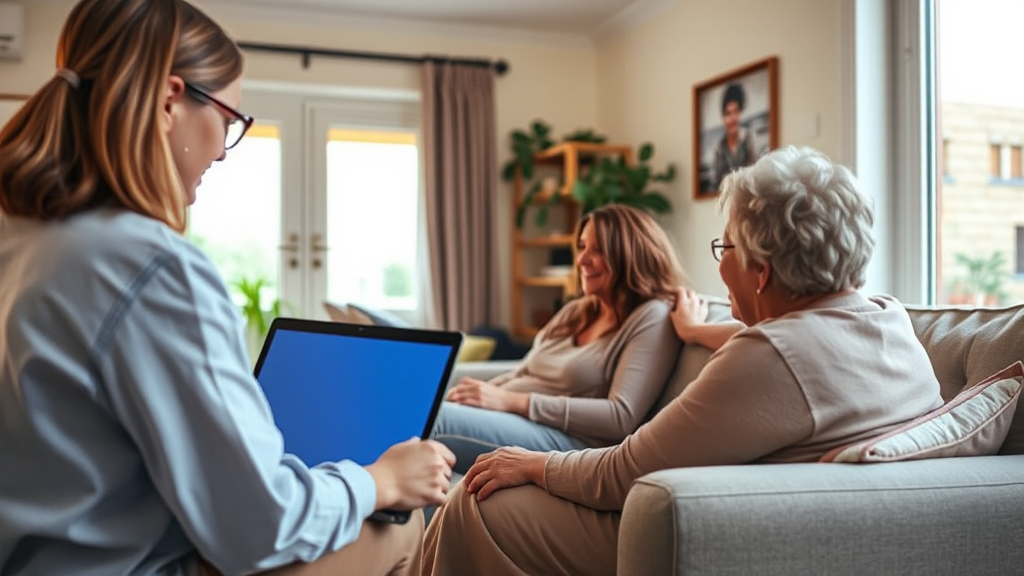
For many NDIS participants, attending a standard medical appointment involves a cascade of challenges: booking accessible transport, coordinating a support worker, navigating unfamiliar clinic environments, and managing fatigue or anxiety. Telehealth removes many of these hurdles. A session can happen from the participant’s lounge room, with a familiar support person nearby. This is not just about convenience—it is about dignity and autonomy. When a participant can engage with their allied health team without the logistical burden, they are more likely to attend consistently, which leads to better outcomes. For a Provider Melbourne based organisation, telehealth also means that participants who are housebound or live far from the office can still receive high-quality care, making services more equitable.
Telehealth and Allied Health: A Natural Partnership
Allied health services have been among the fastest adopters of telehealth. Take, for example, Physiotherapy—traditionally a hands-on discipline, yet many practitioners now offer remote consultations where they assess movement through video, prescribe home exercise programs, and monitor progress via wearable devices. Similarly, Occupational Therapy has found telehealth invaluable for home assessments: a therapist can guide a participant through their living space, identify hazards, and recommend modifications without needing a physical visit. Speech Pathology sessions, which often rely on visual cues and repetitive practice, translate well to the digital medium. Even Psychology/Counselling has become more accessible, with many participants feeling more at ease speaking from their own space. These services are not just add-ons; they are core components of a comprehensive care plan, and telehealth ensures they are within reach.
Telehealth in Practice: Daily Living and Personal Care
While telehealth is often associated with clinical consultations, it also plays a role in NDIS Daily Living and Personal Care support. For instance, a support worker can use a telehealth platform to connect with a nurse or therapist during a complex personal care task, receiving real-time guidance. This is particularly useful for High Intensity Care scenarios, where precise technique is critical. Telehealth can also facilitate remote training for support staff, ensuring that they are up-to-date on the latest care protocols. Moreover, for participants who require Daily Living Support, telehealth can be used to check in between visits—a quick video call to confirm that medication has been taken or that a meal has been prepared. These small touchpoints can prevent crises and reduce the need for more intensive interventions. Disability Care Services
Overcoming the Digital Divide: Challenges and Solutions
Of course, telehealth is not without its challenges. Not every participant has access to a reliable internet connection, a suitable device, or the digital literacy to navigate video platforms. For people with certain cognitive or sensory disabilities, virtual consultations may be less effective than face-to-face interactions. That is why a thoughtful NDIS Provider will always assess whether telehealth is appropriate for each individual. Solutions include providing training to participants and families, using platforms with built-in accessibility features, and combining telehealth with in-person visits when necessary. The goal is not to force digital adoption but to offer it as another option within a flexible care model. In areas like NDIS Community participation, telehealth can even help people prepare for community outings by conducting virtual rehearsals or social coaching sessions.
The Role of Telehealth in Community and Social Participation
Beyond clinical care, telehealth is making inroads into Participation Social and Community Participation Support. Many day programs and community groups have moved partially online, offering virtual art classes, exercise sessions, and social meetups. For participants who find large groups overwhelming, these online gatherings can be a stepping stone to in-person participation. Telehealth also enables family members to join care planning meetings from different locations, ensuring that everyone is on the same page. In this way, telehealth is not isolating—it is connecting. It allows participants to maintain relationships with their support network and engage with their community in a way that suits their energy levels and preferences.
Telehealth as a Complement to Accommodation and Respite Services
For those living in Supported Independent Living or accessing Respite Care, telehealth can be a valuable tool for continuity of care. When a participant moves between different accommodation settings, such as from their home to a short-term stay, telehealth allows them to keep their regular appointments with familiar clinicians. This reduces the disruption that can accompany transitions. Similarly, Specialised Disability accommodation providers can use telehealth to bring in specialists on an as-needed basis, rather than requiring participants to travel to a clinic. For families, this means less stress and more time to focus on what matters: enjoying time together. Telehealth also supports 24-hour care / disability support teams by enabling remote supervision and quick access to clinical advice during night shifts.
The Future of Telehealth in the NDIS Landscape
As technology continues to evolve, the potential for telehealth in disability care is expanding. Wearable devices can monitor vital signs and alert carers to changes. Virtual reality is being explored for pain management and exposure therapy. Artificial intelligence may soon help personalise therapy plans. However, the heart of telehealth remains human connection. It is about ensuring that every participant, regardless of their location or mobility, has access to the NDIS Allied Health Services they need. For providers like Caring Hearts, telehealth is not a replacement for the warmth of face-to-face interaction; it is an extension of their commitment to flexible, participant-centred care. Whether it is through Day Programs that incorporate virtual sessions or Fitness Centre classes that can be streamed from home, the possibilities are vast. Accommodation
Practical Considerations for Families and Participants
If you are considering telehealth for yourself or a loved one, there are several practical steps to ensure a positive experience. First, talk to your NDIS Support Coordination team about which services can be delivered remotely. Many providers now offer telehealth as a standard option, and your plan may cover these sessions. Second, test your equipment beforehand—check your camera, microphone, and internet speed. Third, create a quiet, comfortable space for the consultation, free from distractions. Fourth, don’t hesitate to ask the clinician for adjustments, such as larger text or captions, if needed. Finally, remember that telehealth is a tool, not a substitute. If a session feels less effective, speak up. A good provider will work with you to find the right balance between virtual and in-person care.
Conclusion: Embracing a Hybrid Future
Telehealth is not a temporary trend; it is a permanent shift in how healthcare is delivered. For the disability sector, it offers a path to greater independence, consistency, and access. As we look ahead, the most successful care models will be hybrid ones, blending the best of digital convenience with the irreplaceable value of human touch. Whether you are a participant, a family member, or a care professional, embracing telehealth can open doors that were once closed. And with the support of dedicated providers, the future of disability care is more connected than ever.
Frequently Asked Questions
How do I access telehealth services under my NDIS plan?
Telehealth services can be funded under various NDIS support categories, including therapeutic supports, personal care, and daily living. You should discuss your goals with your support coordinator or provider, who can help you determine which services can be delivered remotely and ensure they are included in your plan.
Is telehealth as effective as in-person care?
Research shows that telehealth can be highly effective for many types of consultations, particularly follow-up sessions, coaching, and certain therapies. However, it is not suitable for every situation. A skilled clinician will assess your needs and recommend the most appropriate mode of delivery, often combining telehealth with in-person visits for the best outcomes. (Dandenong)
What equipment do I need for a telehealth session?
At a minimum, you will need a device with a camera and microphone, such as a smartphone, tablet, or computer, and a stable internet connection. Some platforms may require a specific app or software, which your provider will help you set up in advance.
Can telehealth be used for participants with intellectual disabilities?
Yes, telehealth can be adapted for participants with intellectual disabilities. Using visual aids, simple language, and involving a familiar support person can enhance engagement. However, some individuals may prefer in-person sessions, and it is important to respect their comfort and communication style.
How does telehealth support people living in remote areas?
Telehealth is a game-changer for rural and remote participants, eliminating the need for long-distance travel to see specialists. It allows them to access a wider range of services, including Psychological Support, Exercise Physiology, and pediatrics, from the comfort of their own home.